

How To Set Up Raid 1 Windows 10
How to set up RAID i for Windows and Linux
Upgrade your data resiliency with RAID ane
The audio of a dying hard drive can be terrifying. It means a headache, downtime, and replacement costs in the best case. In the worst example, information technology means sending the drive to a data rescue lab. Using a redundant array of independent disks with mirroring (RAID 1), you can make a drive failure less of a nightmare.
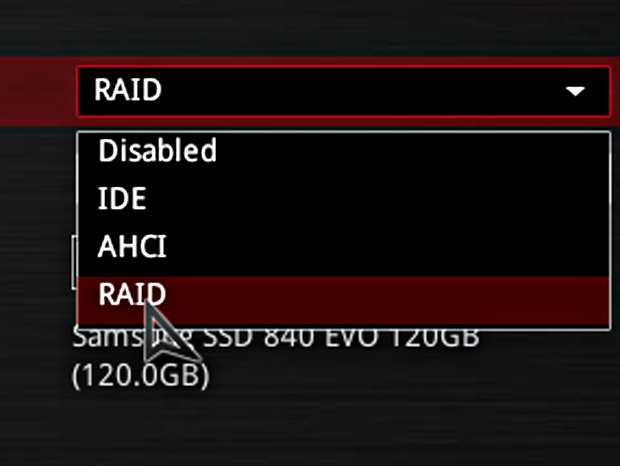
RAID 1 is one of several RAID "levels," and is the polar opposite of it'south speedier cousin, RAID 0 . Where RAID 0 stripes data across drives to attain higher read and write performance, RAID 1 writes the same data across all the drives in the array. Using RAID 1, the chances of losing data to a drive failure is 1 divided past the number of drives in the array. In comparison, those chances are multiplied in RAID 0.
If you lot're thinking that RAID 1 is a lazy man'due south backup, retrieve again. RAID 1 is not a backup, and is never, ever a replacement for a skillful backup. E'er call back that RAID one is a hedge confronting hardware failures, non malware or corrupted data. If you get a virus on i drive in a RAID i array, every bulldoze in the array will have the virus written to information technology. A proper backup keeps data safety from the arrangement.
With all that doom and gloom near RAID 1 not being a backup, you're probably asking, "Why even bother with RAID i?" The answer is pretty simple: If 1 drive in your RAID ane array dies, the assortment will happily proceed operation, using one of the other drives for read and write operations. The failure will be nearly invisible to the user, every bit the RAID software should make the switch automatically. That's a large condom cyberspace for systems that simply cannot have downtime due to hardware failures.
Prepare your hardware
Just equally with RAID 0, it'due south ideal to use identical drives in a RAID 1 array. If one drive is a unlike make, model, or isn't in mint status, the array volition but write every bit fast as the slowest drive. If a file is successfully written to a faster drive, the system will await for the write to the slower drive to catch upwardly.
In addition to using identical drives, be sure to use the aforementioned interface for the drive. If two drives in your assortment are using SATA 6Gb/south and the third is using SATA 3Gb/south, the array will throttle dorsum to 3Gb/s.
It'south also a proficient idea to make sure all of the drives in your array are using the latest firmware. This can exist specially important when using SSDs.
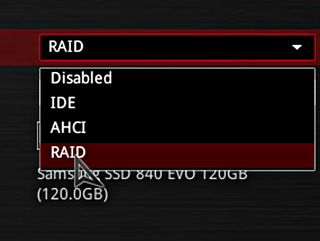
If you're going to use FakeRAID, make certain your motherboard supports it. Most recent motherboards do, but if you're building a server out of an quondam machine, this is something yous should check.
Finally, if you're going to exist using a disk that has information on it in a RAID array, back up that data before y'all begin.
Windows: Storage Spaces
Creating a RAID one array in Windows is pretty simple, the fob is finding out what the utility is chosen. Microsoft opted for the name "Storage Spaces" instead of RAID, but the function is essentially the same.
To start, hitting Win+Due south and search for "Storage spaces" and launch the utility. Adjacent, click create a new pool and storage space . You'll be prompted for administrator admission. Click Yes to continue.
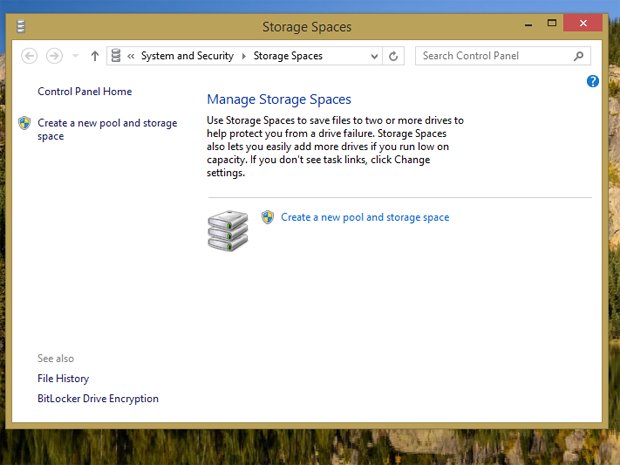
Windows 8'due south congenital-in RAID utilities are referred to as "Storage Spaces."
You'll be greeted by a windows showing all the unformatted disks that can exist used. Select all the disks yous want in the array and click Create puddle .
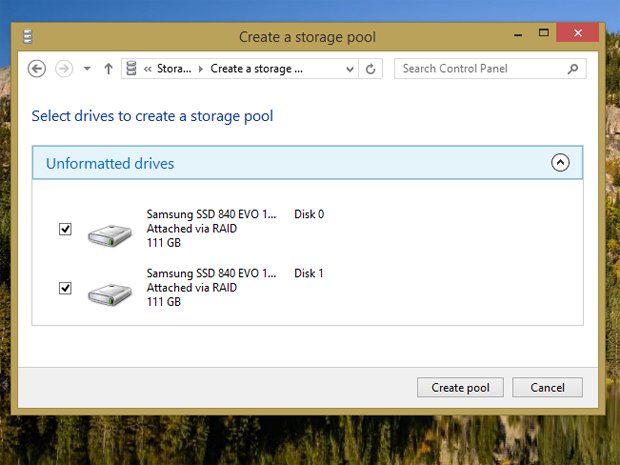
Storage Spaces will permit you lot to create a pool with any unformatted drives attached to the organization.
Next, give the pool a name and drive alphabetic character. The name will appear as the drive characterization. Select NTFS as the filesystem. For Resiliency type, select Two-way mirror . This is the equivalent to RAID i. When you're gear up, click Create storage space to create the assortment.
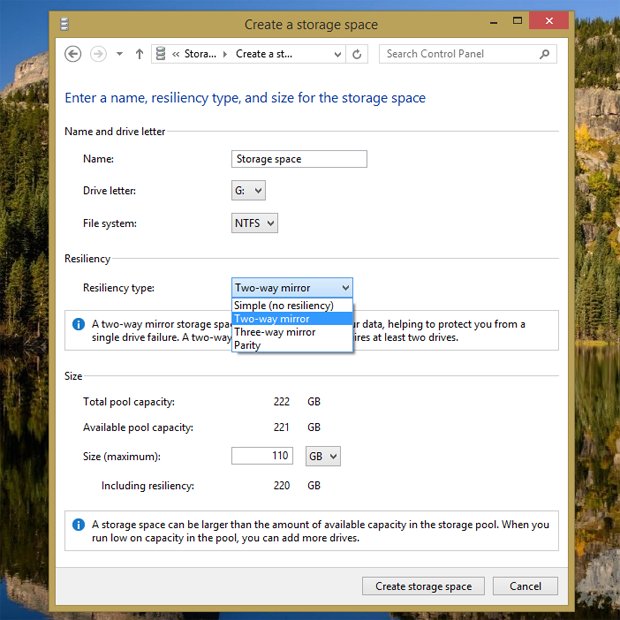
For RAID i functionality in Storage Spaces, select "Two-manner mirror."
If you want to remove a RAID array for whatever reason, just click Delete adjacent to the storage space you lot want to remove. To remove the puddle, remove all of the storage spaces in information technology first.
Running RAID 1 forces you to use another drive which potentially doubles the cost. But it's a lot ameliorate than losing data, particularly if you don't fill-in your data.
Source: https://www.pcgamer.com/how-to-set-up-raid-1-for-windows-and-linux/
0 Response to "How To Set Up Raid 1 Windows 10"
Post a Comment